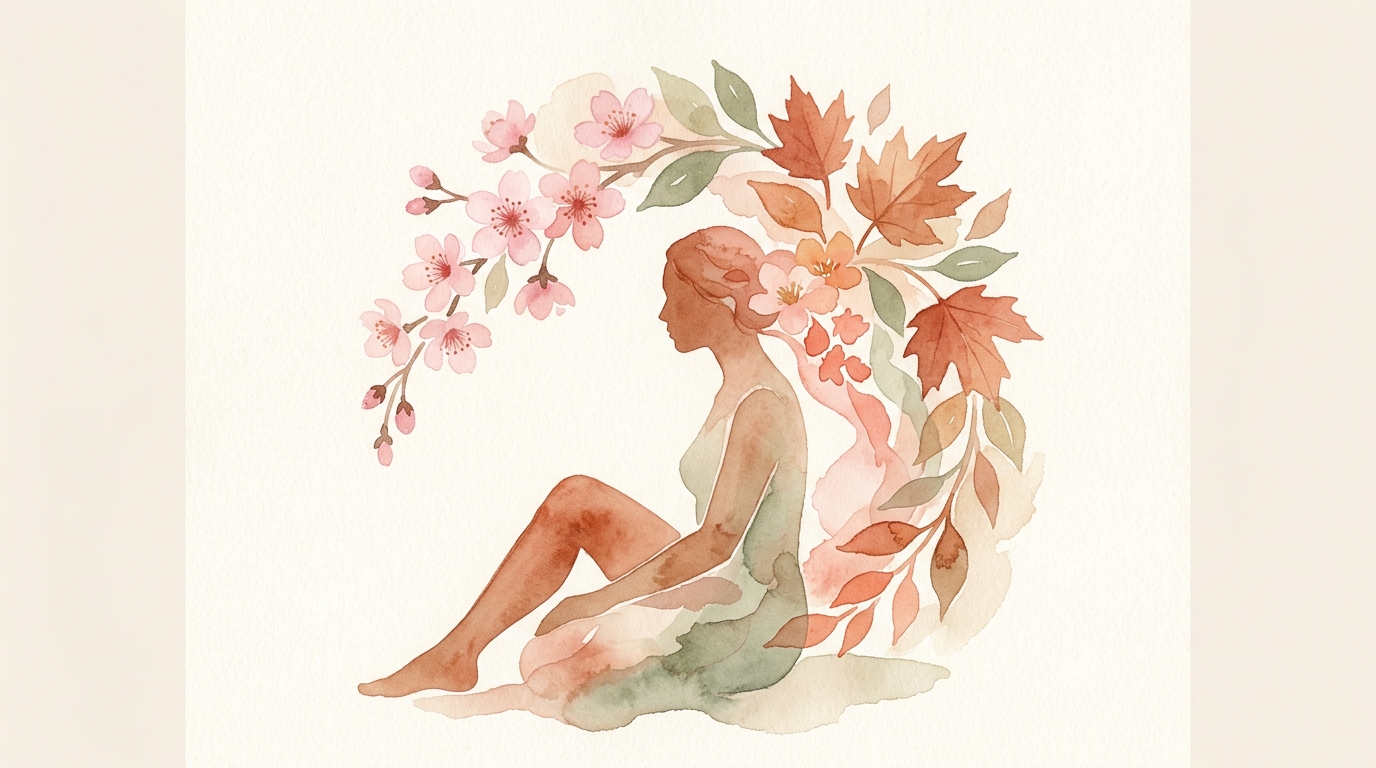
In Traditional Chinese Medicine, menopause is called the Second Spring. I love that framing, because it treats this transition as the beginning of a new stage of growth rather than a decline. From a TCM perspective, the body's energy shifts inward during this phase, nourishing the heart and mind and opening the door to greater wisdom, emotional steadiness, and self-awareness.
That said, the symptoms are real. Hot flashes, disrupted sleep, mood changes, and fatigue show up differently for every woman, and no one should have to simply push through them.
As an NYC acupuncturist working in women’s health, I see every day how unique this journey is. No two people move through hormonal transitions the same way, and there’s no single “right” timeline. My goal is always to offer grounded, supportive complementary medicine that works alongside your medical care and helps you feel more connected to your changing body.
What Perimenopause and Menopause Can Look Like
Perimenopause often arrives before we expect it, sometimes years before cycles fully wind down. You might notice hot flashes, sleep changes, mood shifts, a shorter or longer menstrual cycle, dryness, or heightened stress. Some people feel all of these; others only a few. In my New York practice, the most common thing I hear is simply, “I don’t feel like myself.”
From a Chinese medicine perspective, these changes are part of the natural movement of energy, blood, and hormonal rhythms as the body transitions into a new stage. Instead of framing symptoms as something going wrong, I like to view them as your body communicating what it needs.
How Acupuncture May Support Your Second Spring
In this season of change, treatments like acupuncture, cupping, gua sha, and ear seeds are often used to encourage balance and regulate the nervous system. Some patients tell me they feel more grounded, more rested, or more emotionally steady after sessions. Others use acupuncture to support sleep, ease stress, or feel more at home in their bodies during the transition.
I also weave in other tools like facial acupuncture or red light therapy when appropriate, especially if you’re navigating dryness, tension, or overall fatigue. These therapies don’t replace medical care, but they can offer a supportive layer that helps you build resilience.
Because many people going through perimenopause also juggle things like anxiety, digestion changes, tech‑neck from long work hours, or old sports injuries, I take a whole‑body approach. And when needed, I collaborate with OBGYNs, functional medicine physicians, and other specialists to make sure you’re cared for from every angle.
Embracing Your Own Rhythm
My favorite part of working with hormonal transitions is helping patients tune into what their bodies are trying to say. Whether you’re just starting to sense changes in your cycle or you’re well into menopause, it’s completely valid to want more support, more steadiness, and more clarity.
If you’re in NYC and curious about how acupuncture or Chinese medicine could support your Second Spring, I’d love to welcome you into my practice. You deserve care that meets you exactly where you are.
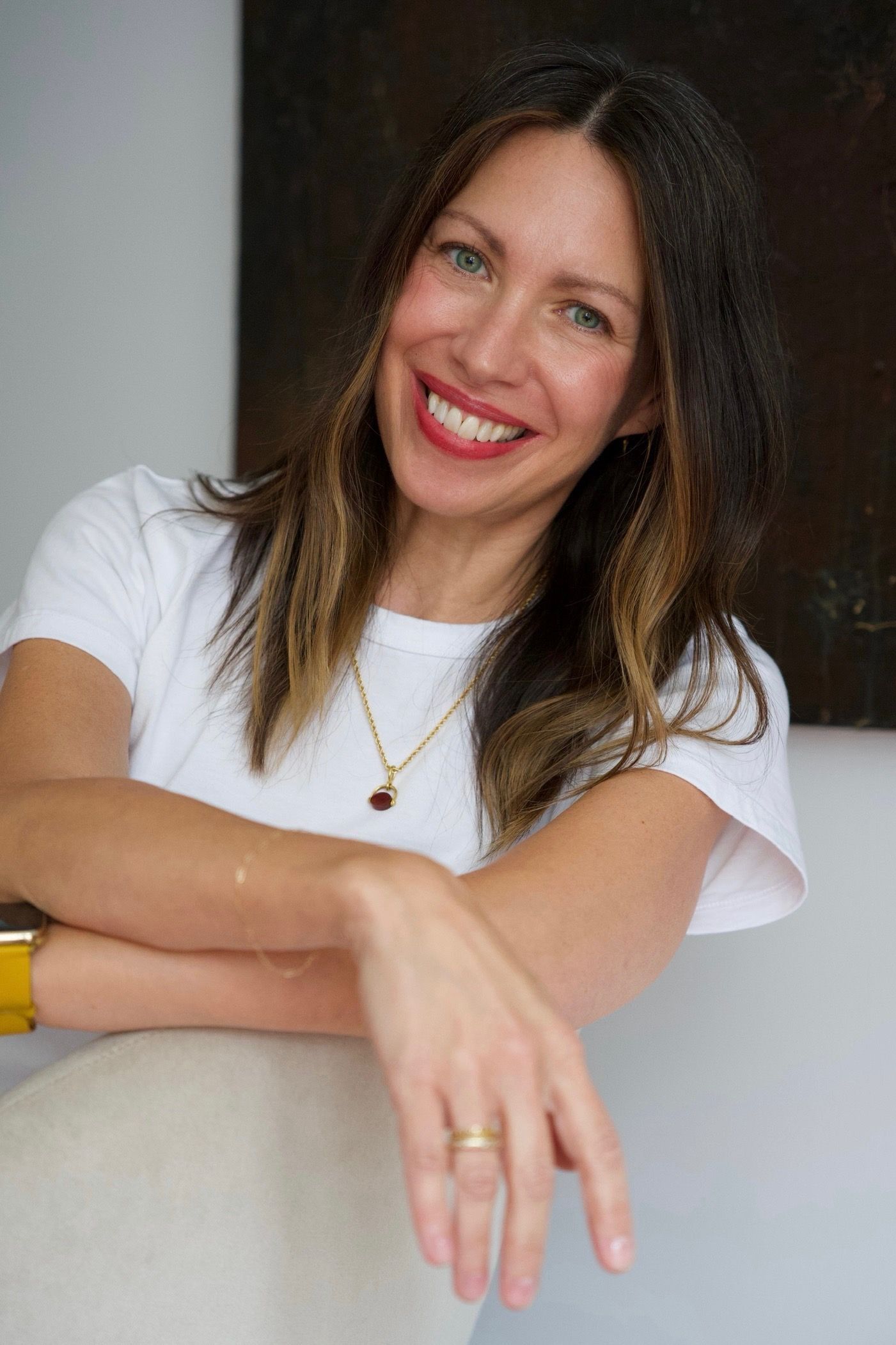
Kathleen Samstein
Board Certified Licensed Acupuncturist in New York State. She holds a Master of Science degree in Acupuncture from the Pacific College of Health and Science, one of the leading Chinese Medicine schools in the United States, and is a NCBAHM Diplomate of Acupuncture.