Release the Tension Massage Can't Reach
Cupping and gua sha are two of the most effective tools in traditional Chinese medicine for breaking through the kind of deep, stubborn muscle tension that just won't let go. I use both regularly in my Flatiron District practice – and unlike many other NYC clinics and studios, I include them in standard sessions at no extra charge.
What Cupping Actually Does to Your Body
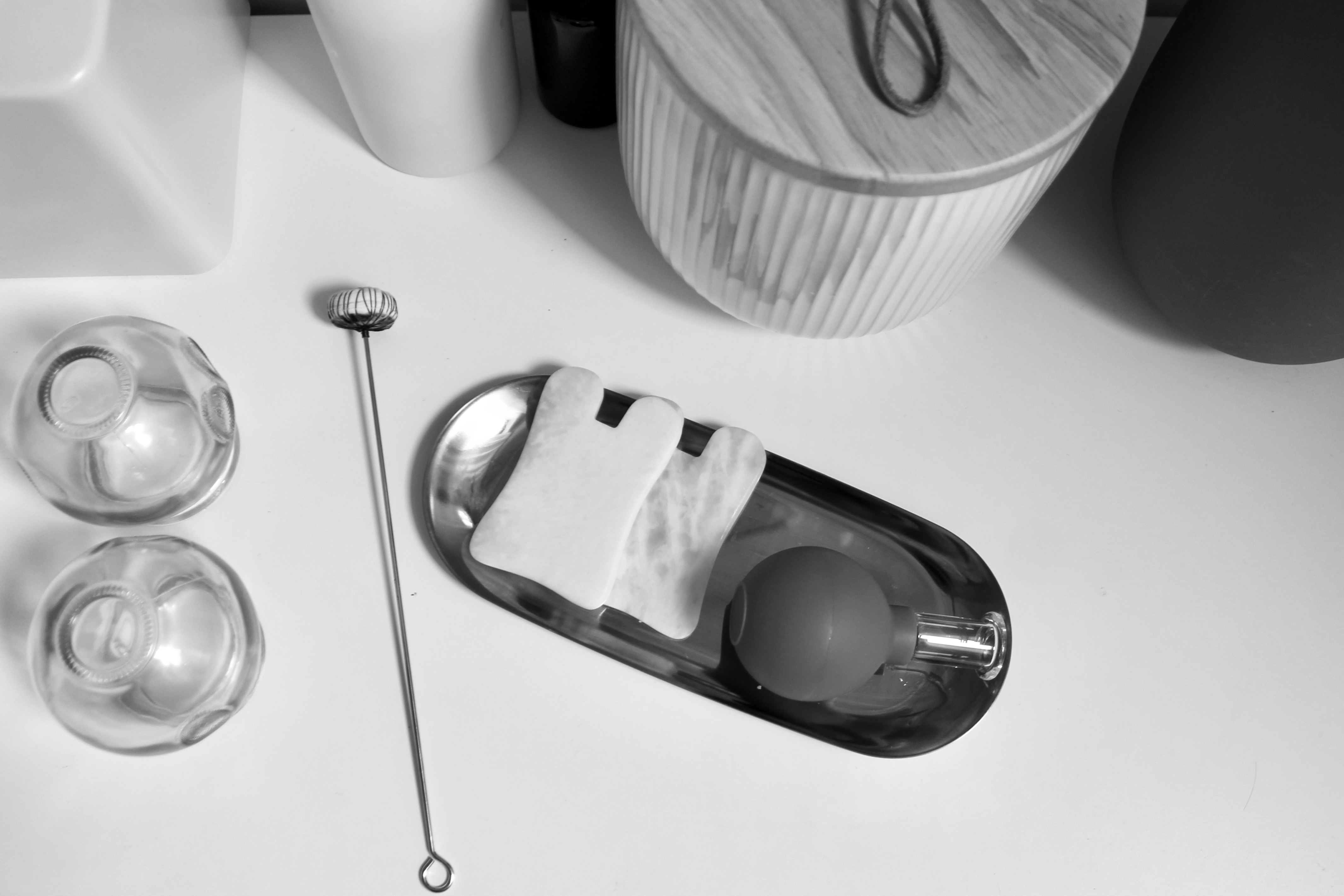
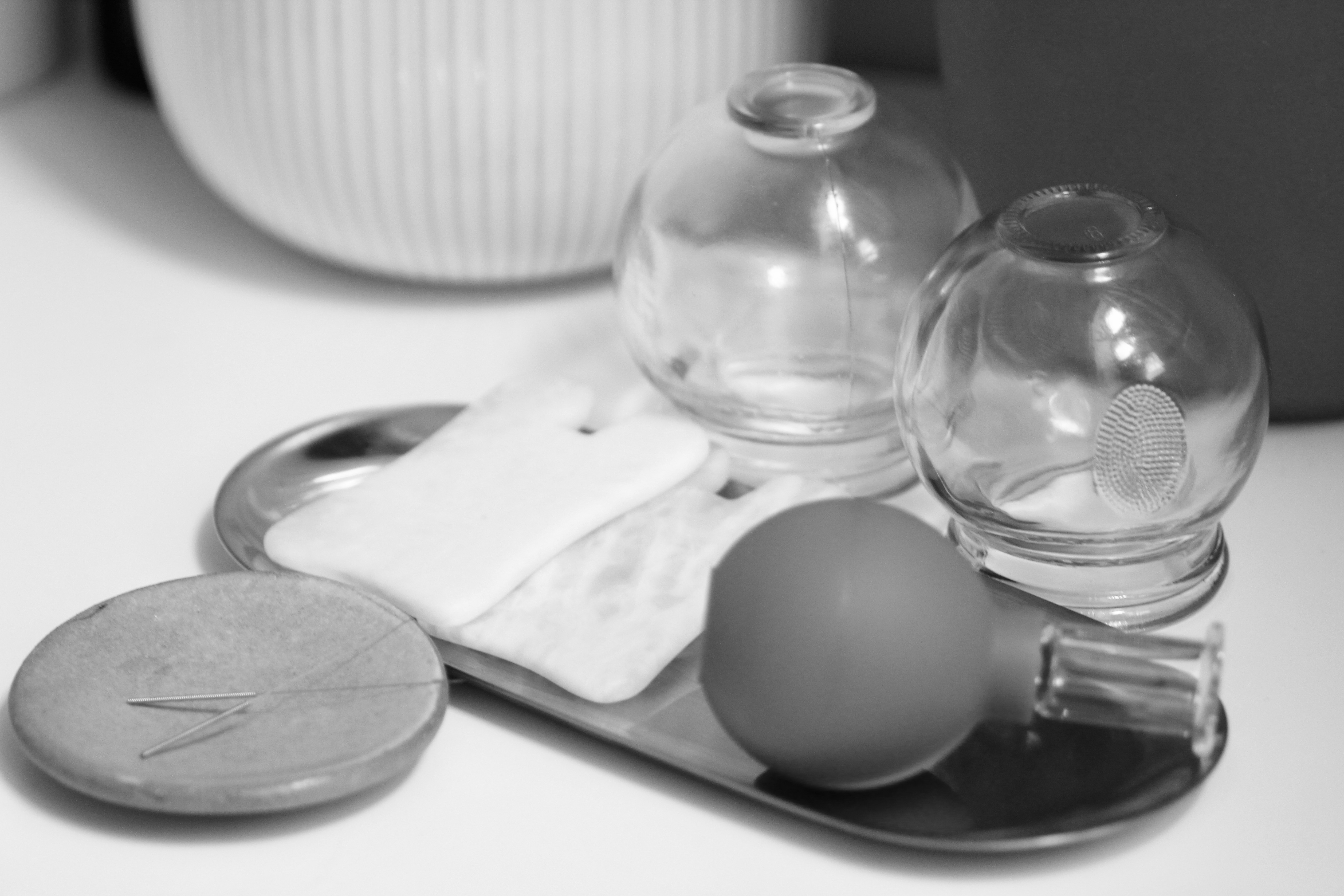
Cupping uses glass or silicone cups placed on the skin to create suction, gently lifting the layers of fascia and muscle tissue away from each other. That lift increases local blood flow, loosens adhesions, and draws stagnation out of tissues that have been compressed and overworked. It works at a depth that hands-on massage simply cannot reach — which is why athletes, chronic pain patients, and people who've tried everything else tend to respond so well to it.
The therapy is particularly effective for back, neck, and shoulder pain, as well as sciatica, IT band tightness, and the kind of full-body heaviness that accumulates from stress and poor sleep. Electro-acupuncture and cupping together form one of the most powerful combinations I use for musculoskeletal pain.
What Gua Sha Does — and Why It's Not What You've Seen on Social Media
Gua sha involves applying firm, controlled strokes along the skin's surface using a smooth-edged tool, releasing fascial restrictions and stimulating circulation in the underlying tissue. Professional therapeutic gua sha is a clinical technique with roots in classical Chinese medicine. It is not the same as the at-home facial tools that have become popular on social media.
In a therapeutic context, gua sha is especially useful for neck and upper back tension, TMJ tightness, tension headaches that originate in the cervical spine, and the kind of persistent knots that keep coming back no matter how often you stretch or foam roll. The strokes are firm but not painful, and the results are often immediate — a noticeable softening of tissue and improved range of motion within the same session.
Conditions These Therapies Address
Cupping and gua sha are not one-size-fits-all add-ons. I use them strategically based on what I'm seeing in your tissue and what your body needs that session. They are particularly well-suited for:
- Chronic back, neck, and shoulder tension
- Sciatica and hip tightness
- IT band pain and runner's knee
- TMJ dysfunction and jaw tightness
- Tension headaches originating in the upper cervical spine
- Stress-related muscle holding patterns
- Poor circulation and general fatigue
- Post-workout recovery and myofascial release
About the Marks
Both cupping and gua sha can leave temporary marks on the skin. For cupping, these appear as circular discolorations from the suction. For gua sha, they look like redness or light bruising along the stroke lines. These marks are not bruises in the traditional sense — they don't result from tissue damage. They reflect the release of stagnant blood and metabolic waste from the surface layers of muscle and fascia.
The marks are painless. Most fade within two to five days, and their intensity tends to decrease with regular treatment as circulation improves and tissue health builds over time. I always explain what to expect before we begin, so there are no surprises — and patients who were initially hesitant almost universally report that the relief they feel is worth it.
Included in Your Session — Not Billed on Top
Many NYC clinics charge an add-on fee for cupping and gua sha. I don't operate that way. Cupping, gua sha, ear seeds, and heat therapy are included in my standard acupuncture sessions when clinically appropriate — because they're not extras, they're part of how I treat.
This matters practically: you're not making decisions mid-session about what you can afford, and I'm not holding back a tool that would genuinely help you. The session is built around what your body needs, not what generates a higher ticket.
Frequently Asked Questions
Cupping and gua sha are most effective as part of a complete acupuncture session, not as standalone treatments. I begin each visit with an intake conversation and assessment, then design the session around your presenting concerns. If cupping or gua sha is indicated, I'll incorporate it at the appropriate point — often following needling, when the tissue is already relaxed and more responsive to the myofascial work.
For patients dealing with acute pain or a flare-up, I may use cupping as the primary focus. For ongoing tension management, it becomes a regular part of the rhythm of treatment. Either way, you'll always know what I'm doing and why.
Does cupping hurt?
No. The sensation is one of pressure and warmth — a pulling feeling as the suction lifts the tissue. Most patients find it deeply relaxing. If the suction is too intense, I adjust immediately. The marks it leaves are painless even when they look dramatic.How long do the marks from cupping or gua sha last?
Typically two to five days. The intensity of the marks often reflects how much stagnation was present in the tissue — patients who receive regular treatment tend to mark less over time as circulation improves.Is therapeutic gua sha the same as the facial gua sha tools sold online?
They share a name but not a technique. At-home facial tools use very light pressure on delicate facial tissue for lymphatic drainage and product absorption. Clinical gua sha applies firm, sustained strokes to muscle and fascia to break up adhesions and stimulate circulation.Do I need to ask for cupping or gua sha, or will you suggest it?
Both. I'll assess your tissue and recommend it when appropriate, but you're always welcome to request it. If you've had a particularly stressful week or your shoulders are locked up, just mention it — I'll work it in.Is cupping covered by insurance?
Cupping is included in my standard acupuncture sessions, so it's billed as part of acupuncture treatment rather than separately. Whether acupuncture is covered depends on your specific plan. I recommend checking with your insurer before your first visit.Who is a good candidate for cupping or gua sha?
Most adults with muscle tension, pain, or circulation concerns respond well to both. I use extra care with patients on blood thinners or with certain skin conditions, and I'll always review your health history before incorporating these techniques. If you have questions about whether they're appropriate for you, reach out before booking.
My practice is located at 928 Broadway, in Manhattan's Flatiron District — easily walkable from Gramercy, Union Square, Chelsea, and NoMad, and a straightforward trip for patients coming from all over NYC’s metropolitan area.