
Quick Summary:
A new brain-imaging meta-analysis suggests that acupuncture-based treatments may be associated with measurable changes in brain regions involved in emotion regulation and reward processing for people with major depressive disorder. That is interesting and encouraging—but it does not mean acupuncture “rewires” the brain in a simple or guaranteed way. Acupuncture can be a thoughtful complementary part of a broader mental-health plan, alongside appropriate medical and mental-health care.
A recent ScienceAlert article
highlighted research on acupuncture and depression that has prompted an important conversation: what can brain scans actually tell us about how acupuncture may support mood? As a New York City acupuncturist, I welcome research that takes this question seriously—and I also believe it is important to discuss it with nuance.
The Research Behind the Headline
The article reports on a 2026 meta-analysis published in Medicine. Researchers combined results from seven randomized controlled trials involving 357 people with major depressive disorder. The analysis examined resting-state functional MRI findings after acupuncture-based interventions, which included manual acupuncture, electroacupuncture, and one auricular vagus-nerve-stimulation approach.
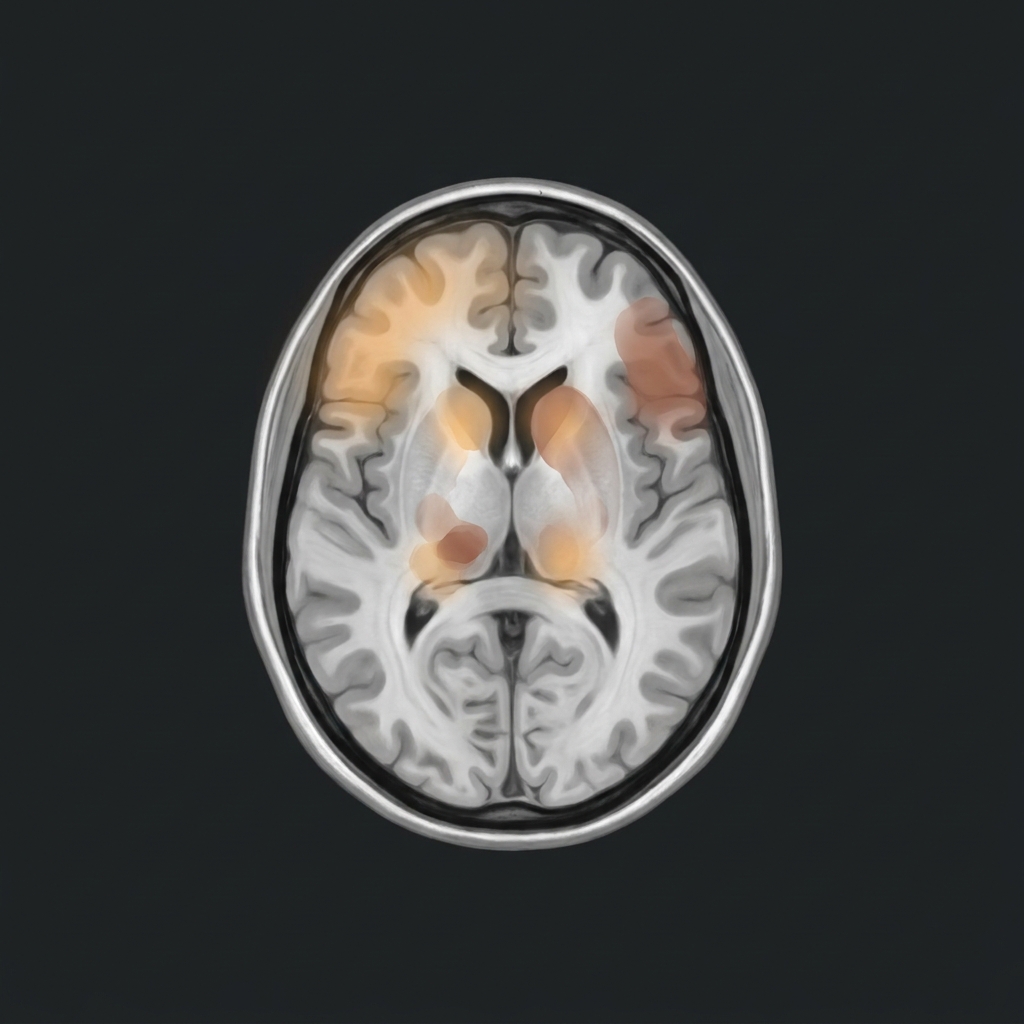
The researchers found patterns of changed activity in the right cingulum and right caudate nucleus—areas associated with emotional processing, regulation, motivation, and reward. They also reported greater reductions in depression and anxiety scores in the acupuncture-based groups compared with the control conditions analyzed. You can read the published study abstract on PubMed
or the full open-access paper.
It is a meaningful contribution to a growing body of research, particularly because it asks not only whether symptoms changed, but also whether those improvements were accompanied by observable changes in brain function.
“Rewiring” Is a Catchy Word—But an Oversimplification
Brain plasticity, or neuroplasticity, refers to the brain’s capacity to adapt over time. That may involve changes in signaling, connectivity, or activity patterns. It does not
mean that a few acupuncture sessions permanently redesign the brain, nor does it mean that a scan can predict exactly who will feel better.
The study’s own limitations matter. It included a relatively small number of trials, acupuncture approaches varied across those trials, and longer-term follow-up data were not available. Blinding is also inherently challenging in acupuncture research. For those reasons, the findings should be understood as promising—not final proof of a single mechanism or a replacement for established depression treatment.
Good integrative care makes room for both curiosity and caution. Research can point us toward plausible pathways while still leaving real questions to answer.
Why Emotion and Reward Circuits Matter
Depression is not simply “feeling sad.” It can show up as emotional flatness, persistent worry, poor sleep, low motivation, changes in appetite or digestion, irritability, physical tension, difficulty concentrating, and the loss of pleasure in things that once felt meaningful. In clinical language, that loss of pleasure is often called anhedonia.
The brain regions discussed in this study are relevant because depression can involve disrupted patterns across networks that support emotional regulation and reward. The new analysis found a different pattern of resting-state activity in acupuncture-based interventions than in conventional treatments. That distinction is intriguing because it supports the idea that complementary therapies may work through pathways that are not identical to medication.
Different does not mean better for every person, and it certainly does not mean one approach should replace another. It means acupuncture may have a role within a personalized, collaborative plan.
Acupuncture Is Complementary Care, Not a Substitute for Support
I work with patients experiencing stress, anxiety, low mood, and mild to moderate depressive symptoms, often alongside therapists, psychiatrists, primary-care clinicians, OBGYNs, and functional medicine providers. At Kathleen Samstein Acupuncture, my goal is not to position Chinese medicine against Western medicine. It is to offer care that supports the whole person and coordinates respectfully with the care already in place.
For some people, acupuncture becomes a dedicated hour to slow down and step out of a nervous system that has been running on high alert. For others, it is part of a plan addressing sleep disruption, jaw tension, headaches, digestive symptoms, menstrual cycle changes, or pain that worsens alongside stress. Treatment is individualized; there is no one-size-fits-all “depression protocol.”
If you take psychiatric medication, do not stop or change it without speaking with your prescribing clinician. And if you are in immediate danger, thinking about harming yourself, or unable to stay safe, call or text 988 in the U.S., call 911, or seek emergency care right away.
What an Integrative Plan Can Look Like
Depression care is often most effective when it is layered. That may include psychotherapy, medication when appropriate, movement, nourishing meals, sleep support, meaningful connection, and medical evaluation for contributing concerns such as thyroid changes, anemia, chronic pain, or hormonal transitions. Acupuncture may be one supportive piece of that plan.
In my Flatiron District practice, I begin with a detailed conversation about what is happening in your body, daily life, medical history, and current support system. From there, I create a treatment plan tailored to your goals. Depending on the presentation, sessions may also incorporate ear seeds, cupping, gua sha, infrared heat, or red-light therapy. These tools are selected to support the treatment—not because more interventions are automatically better.
What This Means for Patients and Referring Providers
This research does not ask patients or providers to abandon evidence-based mental-health care. Instead, it adds to the rationale for considering acupuncture when someone wants additional, nonpharmacologic support within a coordinated care plan.
For patients, the takeaway is practical: if you are managing depression, anxiety, or stress-related symptoms and want to explore acupuncture, look for a licensed practitioner who welcomes communication with your healthcare team. For referring providers, I am always glad to collaborate when acupuncture may help support a patient’s broader treatment goals. You can learn more about my approach to acupuncture for stress, anxiety, and mood support in NYC.
FAQ
Can acupuncture cure depression?
No. Depression is complex, and acupuncture should not be presented as a cure. It may be a helpful complementary therapy for some people, ideally as part of a broader plan that can include psychotherapy, medical care, and medication when appropriate.
Does this study prove acupuncture changes the brain?
It shows an association between acupuncture-based interventions and changes in resting-state brain activity across the trials analyzed. It does not prove a permanent change, establish a single mechanism, or guarantee the same result for every individual.
Can I receive acupuncture while taking antidepressants?
Many people use acupuncture alongside medication. Keep your prescribing clinician informed about all treatments you are receiving, and never adjust medication without their guidance.
How many acupuncture sessions are usually needed for mood support?
It varies. Your symptoms, history, stress load, sleep, medical care, and treatment goals all matter. Some people notice relaxation after a first session, while more sustained shifts generally require a consistent course of care and regular reassessment.
Can acupuncture help with the physical symptoms that come with stress or low mood?
It may be used to support related concerns such as disrupted sleep, headaches, jaw clenching, digestive upset, neck and shoulder tension, and menstrual-cycle changes. Your treatment plan should be based on your full picture—not just one symptom.
Interested in learning whether acupuncture may fit into your care plan? Visit Kathleen Samstein Acupuncture to explore my New York City practice and book a consultation.

Kathleen Samstein
Board Certified Licensed Acupuncturist in New York State. She holds a Master of Science degree in Acupuncture from the Pacific College of Health and Science, one of the leading Chinese Medicine schools in the United States, and is a NCBAHM Diplomate of Acupuncture.